First Marine Solutions brings offshore mooring expertise to Gastech
The offshore energy industry depends on things staying exactly where engineers intended them to be. Rigs, floating infrastructure and increasingly floating wind installations all rely on mooring systems that have to work in environments where failure is expensive and the forces involved are unforgiving.
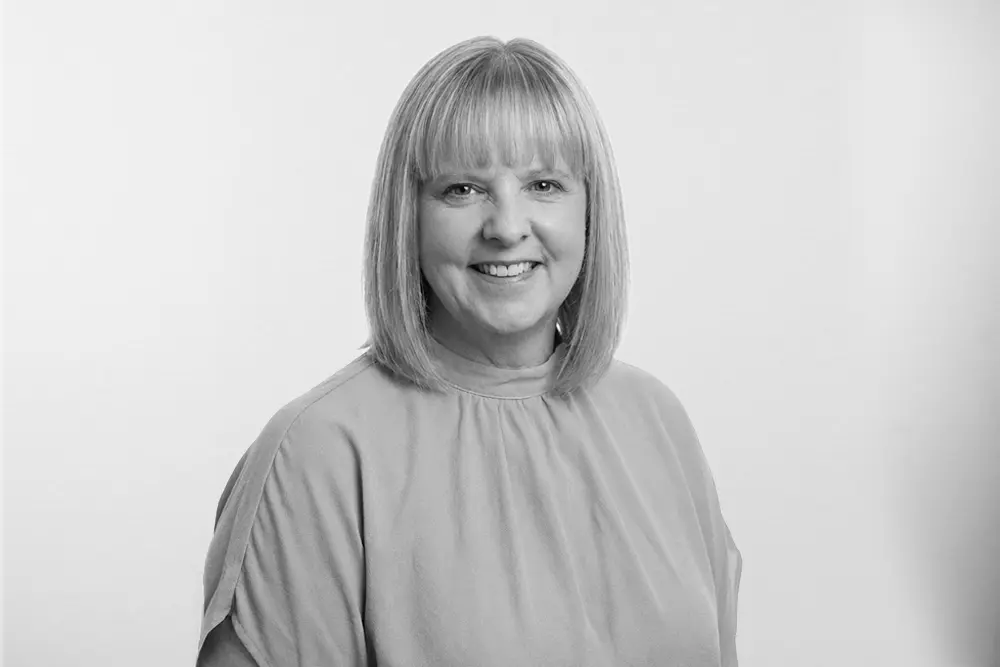
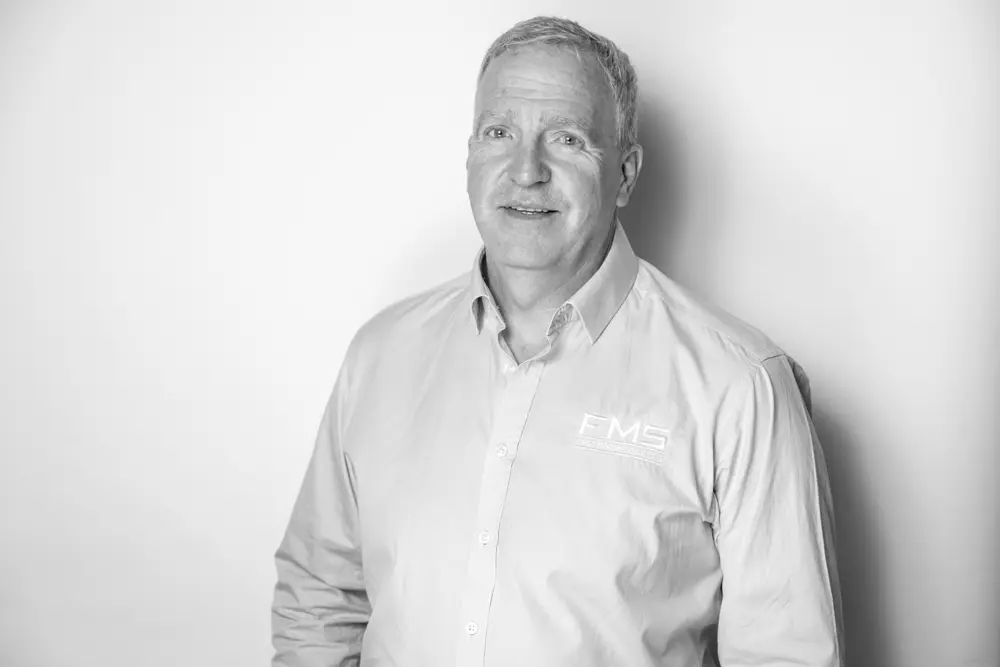
That is the engineering territory First Marine Solutions brings to Gastech in Bangkok today. Head of Project Strategy Susanne Clark and Business Development Director Dave McGinlay are attending the exhibition for the Aberdeen-based offshore mooring and marine-services specialist.
First Marine Solutions describes its offer as an integrated service spanning mooring engineering, equipment provision, installation, survey and positioning. The company says it has delivered more than 150 projects globally, giving it a base of conventional offshore experience that it is now also applying to the emerging floating-wind market.
From offshore operations to floating wind
Floating offshore wind changes the scale of the mooring question. Commercial projects may require large numbers of floating structures, each needing anchors, lines, installation planning, inspection and long-term integrity management. Techniques developed around oil and gas operations therefore become relevant to a new generation of energy infrastructure.
First Marine Solutions says it has been applying its mooring expertise to floating wind since 2020. That crossover is significant: the energy transition is creating new markets, but many of the physical challenges — offshore installation, station keeping, subsea inspection and marine logistics — are familiar ones.
Autonomy below the waterline
Another part of the FMS story is the changing way offshore assets are surveyed. Conventional subsea inspection can require vessels, crews and remotely operated vehicles. Autonomous underwater vehicles offer a different model: smaller platforms can gather survey data without keeping a large vessel continuously over the worksite.
In a published case study, First Marine Solutions says an AUV-based rig-entry debris survey achieved a cost reduction of up to 92% compared with the conventional approach considered for the operation. The wider significance is not simply the headline saving. Reducing vessel time can also change the emissions, logistics and personnel exposure associated with offshore inspection.
The hardware still matters
Digitalisation and autonomy attract attention, but offshore infrastructure still ends in steel meeting the seabed. First Marine Solutions has also expanded its anchor technology, including its TITAN and TERRA drag-embedment anchor systems. Anchoring technology is becoming particularly important as developers consider how floating wind can move from individual projects to arrays containing many floating units.
For Clark, whose role centres on project strategy, and McGinlay, who leads business development, Gastech provides a meeting point between those established offshore capabilities and a broader energy market looking for lower-cost, scalable ways to build and maintain infrastructure at sea.
The company therefore arrives in Bangkok with a story that crosses the traditional boundaries of the exhibition: oil and gas experience, marine engineering, autonomous inspection and renewable infrastructure are increasingly parts of the same offshore supply chain.
Susanne Clark
Head of Project Strategy
Connect on LinkedInDave McGinlay
Business Development Director
Contact First Marine Solutionssales@firstmarinesolutions.com
The Stratawire is reporting from Gastech 2026 in Bangkok.